Buy geekshop.eu ?
We are moving the project
geekshop.eu .
Are you interested in purchasing the domain
geekshop.eu ?
domain@kv-gmbh.de · 0541-91531010
Buy geekshop.eu ?
How do non-homologous recombination and homologous recombination work?
Non-homologous recombination involves the joining of two DNA molecules at non-homologous sequences, resulting in the insertion, deletion, or rearrangement of genetic material. This process is often error-prone and can lead to mutations. Homologous recombination, on the other hand, involves the exchange of genetic material between two similar DNA molecules, typically occurring during meiosis. This process is important for repairing DNA damage and ensuring genetic diversity. It involves the exchange of genetic material between homologous chromosomes, resulting in the formation of new combinations of genes. **
What is the difference between interchromosomal recombination and intrachromosomal recombination?
Interchromosomal recombination involves the exchange of genetic material between two different chromosomes, while intrachromosomal recombination involves the exchange of genetic material within the same chromosome. Interchromosomal recombination can result in the creation of new combinations of genes from different chromosomes, leading to genetic diversity. In contrast, intrachromosomal recombination can lead to the repair of DNA damage or the creation of genetic variation within the same chromosome. Both processes are important for genetic diversity and evolution. **


Similar search terms for Recombination
Top-Angebote
Products related to Recombination:
-
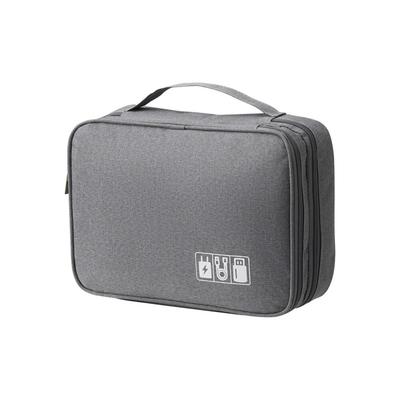
Travel Electronics Organizer Bag For Cables Chargers And Gadgets greyTired of tangled cords and lost accessories every time you travel or head to work This electronics travel organizer is designed for people who want instant order, easy access, and peace of mind on the go. Compact yet surprisingly spacious, it keeps...39,97 $*Shipping: 0,00 $Secure redirect to the provider
-
Premium Blue Light Blocking Clip On Glasses For Computers & Smartphones YellowSay Goodbye to Eyestrain with Our Blue Light Blocking ClipOn GlassesIn todays digital age, prolonged screen time is leading to increased eyestrain and headaches. Whether you're working long hours at the computer or enjoying extended gaming sessions,...14,97 $*Shipping: 0,00 $Secure redirect to the provider
-
For IRobot Filter Replacement Parts, Side Brush, HEPA & Bristle Combo For Roomba, Robotics Vacuum Accessories For IRobot Filter Replacement Parts, Side Brush, HEPA & Bristle Combo For Roomba, Robotics Vacuum AccessoriesUpgrade your iRobot Roomba vacuums performance and longevity with this premium Replacement Side Brushes, HEPA Filter & Bristle Brush Kitperfectly designed for Roomba models e5, e6, e7, i7, i7+ and other iSeries machines. Key Benefits ByeBye Dirt &...27,97 $*Shipping: 0,00 $Secure redirect to the provider
-
Low Latency Wireless Gaming Earbuds For Smartphones Low Latency Wireless Gaming Earbuds For SmartphonesFeel every move, call, and beat with less lag and more freedom. These wireless gaming earbuds are made for mobile gamers, music lovers, and everyday multitaskers who want compact sound without bulky headphones. Designed as low latency earbuds, they...39,97 $*Shipping: 0,00 $Secure redirect to the provider


-
What is the difference between intrachromosomal recombination and interchromosomal recombination?
Intrachromosomal recombination occurs between two different regions of the same chromosome, leading to the exchange of genetic material within the same chromosome. On the other hand, interchromosomal recombination involves the exchange of genetic material between two different chromosomes. Intrachromosomal recombination can lead to the creation of genetic diversity within a single chromosome, while interchromosomal recombination can result in the exchange of genetic material between different chromosomes, leading to genetic diversity among different chromosomes. **
-
What is recombination in biology?
Recombination in biology refers to the process by which genetic material from two different sources is combined to produce a new combination of genes. This can occur through sexual reproduction, where genetic material from two parents is combined to create offspring with a unique genetic makeup. Recombination plays a crucial role in generating genetic diversity within populations, which is important for evolution and adaptation to changing environments. In organisms that reproduce sexually, recombination occurs during meiosis, where homologous chromosomes exchange genetic material through a process called crossing over. **
-
How does crossing-over influence recombination?
Crossing-over is a process during meiosis where homologous chromosomes exchange genetic material. This exchange of genetic material results in new combinations of alleles on the chromosomes, leading to genetic recombination. By shuffling genetic material between homologous chromosomes, crossing-over increases genetic diversity in offspring and can result in the creation of new combinations of traits. This process is essential for generating genetic variation within a population and plays a crucial role in evolution. **
-
What is recombination and genetic variability?
Recombination is the process by which genetic material is exchanged between two similar molecules of DNA, resulting in new combinations of genes. This process occurs during meiosis, the cell division that produces gametes (sperm and egg cells). Genetic variability refers to the diversity of genetic material within a population, which is influenced by factors such as recombination, mutations, and gene flow. Recombination plays a key role in generating genetic variability by creating new combinations of genes, which can lead to increased diversity and adaptation within a population. **


How many offspring are produced through recombination?
Recombination typically results in two offspring being produced. This is because during recombination, genetic material from two parent organisms is combined to create a new individual with a unique combination of traits. This process allows for genetic diversity and variation within a population. **
When does disproportionation occur instead of recombination?
Disproportionation occurs when a single species is both oxidized and reduced in a reaction, leading to the formation of two different products with different oxidation states. This process typically occurs when the species involved can exist in multiple oxidation states and there is no suitable reactant available for recombination. In contrast, recombination occurs when two species with different oxidation states combine to form a single product with an intermediate oxidation state. **
Top-Angebote
Products related to Recombination:
-
Multi Purpose Keyboard Cleaning Brush For Computers, Keyboards & Electronics Dust Removal Multi Purpose Keyboard Cleaning Brush For Computers, Keyboards & Electronics Dust RemovalKeep your favorite devices looking and performing like new with this compact computer cleaning brush. Designed for anyone who wants a cleaner workspace, it easily removes dust, crumbs, and debris from keyboards, razors, electronics, and other...29,97 $*Shipping: 0,00 $Secure redirect to the provider
-
Portable Phone Speaker With AUX Plug And Play Audio For Smartphones Tablets & Computers Portable Phone Speaker With AUX Plug And Play Audio For Smartphones Tablets & ComputersBring your music, videos, and calls to life with a Portable Phone Speaker that's ready whenever you are. Designed for smartphones, tablets, laptops, and other compatible devices with a 0.14 inches approx audio jack, this compact speaker delivers...29,97 $*Shipping: 0,00 $Secure redirect to the provider
-
Travel Electronics Organizer Bag For Cables Chargers And Gadgets greyTired of tangled cords and lost accessories every time you travel or head to work This electronics travel organizer is designed for people who want instant order, easy access, and peace of mind on the go. Compact yet surprisingly spacious, it keeps...39,97 $*Shipping: 0,00 $Secure redirect to the provider
-
Premium Blue Light Blocking Clip On Glasses For Computers & Smartphones YellowSay Goodbye to Eyestrain with Our Blue Light Blocking ClipOn GlassesIn todays digital age, prolonged screen time is leading to increased eyestrain and headaches. Whether you're working long hours at the computer or enjoying extended gaming sessions,...14,97 $*Shipping: 0,00 $Secure redirect to the provider
-
How do non-homologous recombination and homologous recombination work?
Non-homologous recombination involves the joining of two DNA molecules at non-homologous sequences, resulting in the insertion, deletion, or rearrangement of genetic material. This process is often error-prone and can lead to mutations. Homologous recombination, on the other hand, involves the exchange of genetic material between two similar DNA molecules, typically occurring during meiosis. This process is important for repairing DNA damage and ensuring genetic diversity. It involves the exchange of genetic material between homologous chromosomes, resulting in the formation of new combinations of genes. **
-
What is the difference between interchromosomal recombination and intrachromosomal recombination?
Interchromosomal recombination involves the exchange of genetic material between two different chromosomes, while intrachromosomal recombination involves the exchange of genetic material within the same chromosome. Interchromosomal recombination can result in the creation of new combinations of genes from different chromosomes, leading to genetic diversity. In contrast, intrachromosomal recombination can lead to the repair of DNA damage or the creation of genetic variation within the same chromosome. Both processes are important for genetic diversity and evolution. **
-
What is the difference between intrachromosomal recombination and interchromosomal recombination?
Intrachromosomal recombination occurs between two different regions of the same chromosome, leading to the exchange of genetic material within the same chromosome. On the other hand, interchromosomal recombination involves the exchange of genetic material between two different chromosomes. Intrachromosomal recombination can lead to the creation of genetic diversity within a single chromosome, while interchromosomal recombination can result in the exchange of genetic material between different chromosomes, leading to genetic diversity among different chromosomes. **
-
What is recombination in biology?
Recombination in biology refers to the process by which genetic material from two different sources is combined to produce a new combination of genes. This can occur through sexual reproduction, where genetic material from two parents is combined to create offspring with a unique genetic makeup. Recombination plays a crucial role in generating genetic diversity within populations, which is important for evolution and adaptation to changing environments. In organisms that reproduce sexually, recombination occurs during meiosis, where homologous chromosomes exchange genetic material through a process called crossing over. **
Similar search terms for Recombination
-
For IRobot Filter Replacement Parts, Side Brush, HEPA & Bristle Combo For Roomba, Robotics Vacuum Accessories For IRobot Filter Replacement Parts, Side Brush, HEPA & Bristle Combo For Roomba, Robotics Vacuum AccessoriesUpgrade your iRobot Roomba vacuums performance and longevity with this premium Replacement Side Brushes, HEPA Filter & Bristle Brush Kitperfectly designed for Roomba models e5, e6, e7, i7, i7+ and other iSeries machines. Key Benefits ByeBye Dirt &...27,97 $*Shipping: 0,00 $Secure redirect to the provider
-
Low Latency Wireless Gaming Earbuds For Smartphones Low Latency Wireless Gaming Earbuds For SmartphonesFeel every move, call, and beat with less lag and more freedom. These wireless gaming earbuds are made for mobile gamers, music lovers, and everyday multitaskers who want compact sound without bulky headphones. Designed as low latency earbuds, they...39,97 $*Shipping: 0,00 $Secure redirect to the provider
-
Portable Electronics Organizer Bag Travel Tech Organizer For Cables Chargers Gadgets black lStay effortlessly organized wherever life takes you. This sleek electronics organizer bag keeps your everyday tech essentials neatly arranged and protected, whether youre commuting, traveling, or working remotely. Designed for modern lifestyles, it...34,97 $*Shipping: 0,00 $Secure redirect to the provider
-
Travel Electronics Organizer Bag For Cables Chargers And Gadgets blackTired of tangled cords and lost accessories every time you travel or head to work This electronics travel organizer is designed for people who want instant order, easy access, and peace of mind on the go. Compact yet surprisingly spacious, it keeps...39,97 $*Shipping: 0,00 $Secure redirect to the provider
-
How does crossing-over influence recombination?
Crossing-over is a process during meiosis where homologous chromosomes exchange genetic material. This exchange of genetic material results in new combinations of alleles on the chromosomes, leading to genetic recombination. By shuffling genetic material between homologous chromosomes, crossing-over increases genetic diversity in offspring and can result in the creation of new combinations of traits. This process is essential for generating genetic variation within a population and plays a crucial role in evolution. **
-
What is recombination and genetic variability?
Recombination is the process by which genetic material is exchanged between two similar molecules of DNA, resulting in new combinations of genes. This process occurs during meiosis, the cell division that produces gametes (sperm and egg cells). Genetic variability refers to the diversity of genetic material within a population, which is influenced by factors such as recombination, mutations, and gene flow. Recombination plays a key role in generating genetic variability by creating new combinations of genes, which can lead to increased diversity and adaptation within a population. **
-
How many offspring are produced through recombination?
Recombination typically results in two offspring being produced. This is because during recombination, genetic material from two parent organisms is combined to create a new individual with a unique combination of traits. This process allows for genetic diversity and variation within a population. **
-
When does disproportionation occur instead of recombination?
Disproportionation occurs when a single species is both oxidized and reduced in a reaction, leading to the formation of two different products with different oxidation states. This process typically occurs when the species involved can exist in multiple oxidation states and there is no suitable reactant available for recombination. In contrast, recombination occurs when two species with different oxidation states combine to form a single product with an intermediate oxidation state. **
* All prices are inclusive of VAT and, if applicable, plus shipping costs. The offer information is based on the details provided by the respective shop and is updated through automated processes. Real-time updates do not occur, so deviations can occur in individual cases. ** Note: Parts of this content were created by AI.