Buy geekshop.eu ?
We are moving the project
geekshop.eu .
Are you interested in purchasing the domain
geekshop.eu ?
domain@kv-gmbh.de · 0541-91531010
Buy geekshop.eu ?
What is the difference between Economies of Scale and Economies of Scope?
Economies of scale refer to the cost advantages that a business can achieve as it increases its level of production. This can result from factors such as spreading fixed costs over a larger output, bulk purchasing discounts, and more efficient use of resources. On the other hand, economies of scope refer to the cost advantages that arise from producing a variety of products or services together, rather than just one. This can result from shared resources, such as marketing and distribution channels, as well as the ability to leverage a company's core competencies across multiple products or services. **
What are the Tiger economies?
The Tiger economies refer to the highly developed and industrialized economies of East Asia, including South Korea, Taiwan, Singapore, and Hong Kong. These countries experienced rapid economic growth and industrialization in the latter half of the 20th century, transforming from agrarian-based economies to industrial powerhouses. The term "Tiger economies" is derived from the "Four Asian Tigers," which originally referred to South Korea, Taiwan, Singapore, and Hong Kong, but has since been expanded to include other rapidly developing economies in the region. These countries are known for their export-oriented growth strategies, strong manufacturing sectors, and high levels of technological innovation. **
Similar search terms for Economies
Top-Angebote
Products related to Economies:
-
Klutz: LEGO GadgetsThis activity kit will have you building 11 machines including a gravity powered car and a wacky boxing robot. The fun doesn't stop once you've completed all of the projects in the book - open-ended prompts will inspire you to continue experimenting...24,99 $*Shipping: 0,00 $Secure redirect to the provider
-
York Wallcoverings Beige Robotics Peel and Stick WallpaperA simple drawing of robotic parts become line art in pattern Robotics. This Robotics Peel & Stick Wallpaper measures approximately 27 inches wide by 20 feet long, covering About 45 square feet per roll.59,50 $*Shipping: 0,00 $Secure redirect to the provider
-
Multisell Products Hub Magnetic Bottle Opener For Household Mineral Water Plastic Beverage Bottles And Cap Opening, Kitchen Accessories Gadgets blueEffortless Cap Opening for Everyday Kitchens Upgrade your routine with this 1 pcs Kitchen Accessories Gadgets Magnetic Bottle Opener for Household Mineral Water Plastic Beverage Bottles and Cap Opening designed for convenience and comfort. It makes...34,97 $*Shipping: 0,00 $Secure redirect to the provider
-
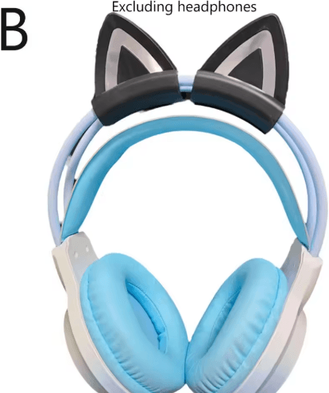
Inspire Picks Cute Silicone Cat Ear Accessories For Gaming Headsets blackAdd playful style to your favorite headphones with these adorable Cat ear headset accessories designed for gamers, streamers, and music lovers. Made from lightweight silicone material, these decorative attachments easily clip onto compatible...34,93 $*Shipping: 0,00 $Secure redirect to the provider



-
Are the Tiger economies emerging markets?
Yes, the Tiger economies are considered emerging markets. The term "Tiger economies" refers to the rapidly growing economies of South Korea, Taiwan, Singapore, and Hong Kong. These countries have experienced rapid industrialization, export-led growth, and technological advancement, leading to significant economic development. While they have made great strides in their economic growth, they are still considered emerging markets due to their ongoing development and potential for further growth and expansion. **
-
What are the similarities between planned and market economies?
Both planned and market economies aim to allocate resources efficiently to meet the needs of the society. Both systems involve the production and distribution of goods and services to fulfill demand. Additionally, both systems involve some level of government intervention, with planned economies having more centralized control and market economies having more decentralized decision-making. Both systems also aim to achieve economic growth and improve the standard of living for their citizens. **
-
What is the difference between emerging economies and developing countries?
Emerging economies refer to countries that are experiencing rapid industrialization and growth, often transitioning from a low-income to a middle-income status. Developing countries, on the other hand, are nations that are still in the early stages of economic development, with lower levels of income, infrastructure, and industrialization. While all emerging economies are developing countries, not all developing countries are considered emerging economies. Emerging economies typically have higher growth rates and more advanced industries compared to developing countries. **
-
Can the economies of Sweden and China be easily compared?
The economies of Sweden and China cannot be easily compared due to their significant differences in size, structure, and development. Sweden has a small, open, and highly developed economy with a focus on innovation, technology, and high-value exports. On the other hand, China has a large, diverse, and rapidly growing economy with a focus on manufacturing, infrastructure development, and export-led growth. Additionally, Sweden has a strong welfare state and high levels of income equality, while China has a more diverse income distribution and a different approach to social welfare. Overall, the differences in size, structure, and development make it challenging to directly compare the economies of Sweden and China. **


What is the difference between developing countries and emerging economies?
Developing countries and emerging economies are often used interchangeably, but there is a subtle difference between the two. Developing countries typically refer to nations with low levels of industrialization, low per capita income, and high poverty rates. On the other hand, emerging economies are countries that are experiencing rapid economic growth, industrialization, and modernization, and are moving towards becoming developed nations. Emerging economies often have higher levels of foreign direct investment, infrastructure development, and technological advancement compared to developing countries. **
What are the advantages and disadvantages of barter and monetary economies?
Barter economies allow for the direct exchange of goods and services without the need for a common medium of exchange, which can be advantageous in a situation where there is a lack of currency or a stable monetary system. However, barter economies can be inefficient and time-consuming, as finding someone who has what you need and also wants what you have can be challenging. On the other hand, monetary economies provide a widely accepted medium of exchange, making transactions more convenient and efficient. However, they can also lead to issues such as inflation, economic inequality, and the potential for financial crises. **
Top-Angebote
Products related to Economies:
-
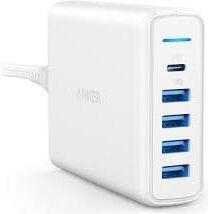
Anker PowerPort 60 W 6-Port Family-Sized Desktop USB Charger with PowerIQ Technology for Smartphones - White, NewThe Anker Advantage: Join the 10 million+ powered by Amazon's leading charging brand. Fast Charging Technology: PowerIQ and VoltageBoost combine to provide the fastest possible charge up to 2.4 amps per port or 12 amps overall (Qualcomm Quick Charge 2.0 not supported. For QC 2.0 charging, please see Anker's 18W USB Wall Charger). Ultra Powerful: 6 ports pump out 60 watts of power, enabling simultaneous multi-device charging. Certified Safe: Anker's MultiProtect safety system and UL certification ensure complete protection for you and your devices. Worldwide 100-240 volt AC input voltage What You Get: Anker PowerPort 6 (60W 6-Port USB Charging Hub), 5ft / 150cm detachable power cord, welcome guide, our fan-favorite 18-month warranty and friendly customer service.. Brand Anker Connectivity technology USB Connector type USB Type C Compatible devices Smartphones, Tablets, Laptop Compatible phone models All Smartphones Included components USB Cable Cable length 5 Feet Special feature Lightweight Design, Travel, Fast Charging Colour White Input voltage 100 Volts49,99 £*Shipping: 0,00 £Secure redirect to the provider
-
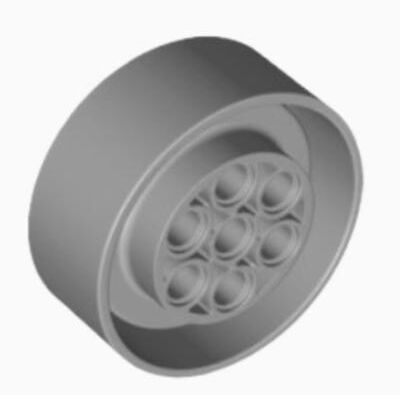
Lush Living Finds Perforated Brick Assembly Toy Accessories With Technology Mechanical Wheels Perforated Brick Assembly Toy Accessories With Technology Mechanical WheelsEnhance Creativity with Technology Mechanical Wheels Unlock the power of innovation with our technology mechanical wheels, designed specifically for perforated brick assembly toy accessories. Whether you are a hobbyist or a seasoned builder, these...43,97 $*Shipping: 0,00 $Secure redirect to the provider
-
Klutz: LEGO GadgetsThis activity kit will have you building 11 machines including a gravity powered car and a wacky boxing robot. The fun doesn't stop once you've completed all of the projects in the book - open-ended prompts will inspire you to continue experimenting...24,99 $*Shipping: 0,00 $Secure redirect to the provider
-
York Wallcoverings Beige Robotics Peel and Stick WallpaperA simple drawing of robotic parts become line art in pattern Robotics. This Robotics Peel & Stick Wallpaper measures approximately 27 inches wide by 20 feet long, covering About 45 square feet per roll.59,50 $*Shipping: 0,00 $Secure redirect to the provider
-
What is the difference between Economies of Scale and Economies of Scope?
Economies of scale refer to the cost advantages that a business can achieve as it increases its level of production. This can result from factors such as spreading fixed costs over a larger output, bulk purchasing discounts, and more efficient use of resources. On the other hand, economies of scope refer to the cost advantages that arise from producing a variety of products or services together, rather than just one. This can result from shared resources, such as marketing and distribution channels, as well as the ability to leverage a company's core competencies across multiple products or services. **
-
What are the Tiger economies?
The Tiger economies refer to the highly developed and industrialized economies of East Asia, including South Korea, Taiwan, Singapore, and Hong Kong. These countries experienced rapid economic growth and industrialization in the latter half of the 20th century, transforming from agrarian-based economies to industrial powerhouses. The term "Tiger economies" is derived from the "Four Asian Tigers," which originally referred to South Korea, Taiwan, Singapore, and Hong Kong, but has since been expanded to include other rapidly developing economies in the region. These countries are known for their export-oriented growth strategies, strong manufacturing sectors, and high levels of technological innovation. **
-
Are the Tiger economies emerging markets?
Yes, the Tiger economies are considered emerging markets. The term "Tiger economies" refers to the rapidly growing economies of South Korea, Taiwan, Singapore, and Hong Kong. These countries have experienced rapid industrialization, export-led growth, and technological advancement, leading to significant economic development. While they have made great strides in their economic growth, they are still considered emerging markets due to their ongoing development and potential for further growth and expansion. **
-
What are the similarities between planned and market economies?
Both planned and market economies aim to allocate resources efficiently to meet the needs of the society. Both systems involve the production and distribution of goods and services to fulfill demand. Additionally, both systems involve some level of government intervention, with planned economies having more centralized control and market economies having more decentralized decision-making. Both systems also aim to achieve economic growth and improve the standard of living for their citizens. **
Similar search terms for Economies
-
Multisell Products Hub Magnetic Bottle Opener For Household Mineral Water Plastic Beverage Bottles And Cap Opening, Kitchen Accessories Gadgets blueEffortless Cap Opening for Everyday Kitchens Upgrade your routine with this 1 pcs Kitchen Accessories Gadgets Magnetic Bottle Opener for Household Mineral Water Plastic Beverage Bottles and Cap Opening designed for convenience and comfort. It makes...34,97 $*Shipping: 0,00 $Secure redirect to the provider
-
Inspire Picks Cute Silicone Cat Ear Accessories For Gaming Headsets blackAdd playful style to your favorite headphones with these adorable Cat ear headset accessories designed for gamers, streamers, and music lovers. Made from lightweight silicone material, these decorative attachments easily clip onto compatible...34,93 $*Shipping: 0,00 $Secure redirect to the provider
-
York Wallcoverings Grey Robotics Peel and Stick WallpaperA simple drawing of robotic parts become line art in pattern Robotics. This Robotics Peel & Stick Wallpaper measures approximately 27 inches wide by 20 feet long, covering About 45 square feet per roll.53,99 $*Shipping: 0,00 $Secure redirect to the provider
-
Multisell Products Hub Magnetic Bottle Opener For Household Mineral Water Plastic Beverage Bottles And Cap Opening, Kitchen Accessories Gadgets whiteEffortless Cap Opening for Everyday Kitchens Upgrade your routine with this 1 pcs Kitchen Accessories Gadgets Magnetic Bottle Opener for Household Mineral Water Plastic Beverage Bottles and Cap Opening designed for convenience and comfort. It makes...34,97 $*Shipping: 0,00 $Secure redirect to the provider
-
What is the difference between emerging economies and developing countries?
Emerging economies refer to countries that are experiencing rapid industrialization and growth, often transitioning from a low-income to a middle-income status. Developing countries, on the other hand, are nations that are still in the early stages of economic development, with lower levels of income, infrastructure, and industrialization. While all emerging economies are developing countries, not all developing countries are considered emerging economies. Emerging economies typically have higher growth rates and more advanced industries compared to developing countries. **
-
Can the economies of Sweden and China be easily compared?
The economies of Sweden and China cannot be easily compared due to their significant differences in size, structure, and development. Sweden has a small, open, and highly developed economy with a focus on innovation, technology, and high-value exports. On the other hand, China has a large, diverse, and rapidly growing economy with a focus on manufacturing, infrastructure development, and export-led growth. Additionally, Sweden has a strong welfare state and high levels of income equality, while China has a more diverse income distribution and a different approach to social welfare. Overall, the differences in size, structure, and development make it challenging to directly compare the economies of Sweden and China. **
-
What is the difference between developing countries and emerging economies?
Developing countries and emerging economies are often used interchangeably, but there is a subtle difference between the two. Developing countries typically refer to nations with low levels of industrialization, low per capita income, and high poverty rates. On the other hand, emerging economies are countries that are experiencing rapid economic growth, industrialization, and modernization, and are moving towards becoming developed nations. Emerging economies often have higher levels of foreign direct investment, infrastructure development, and technological advancement compared to developing countries. **
-
What are the advantages and disadvantages of barter and monetary economies?
Barter economies allow for the direct exchange of goods and services without the need for a common medium of exchange, which can be advantageous in a situation where there is a lack of currency or a stable monetary system. However, barter economies can be inefficient and time-consuming, as finding someone who has what you need and also wants what you have can be challenging. On the other hand, monetary economies provide a widely accepted medium of exchange, making transactions more convenient and efficient. However, they can also lead to issues such as inflation, economic inequality, and the potential for financial crises. **
* All prices are inclusive of VAT and, if applicable, plus shipping costs. The offer information is based on the details provided by the respective shop and is updated through automated processes. Real-time updates do not occur, so deviations can occur in individual cases. ** Note: Parts of this content were created by AI.