Buy geekshop.eu ?
We are moving the project
geekshop.eu .
Are you interested in purchasing the domain
geekshop.eu ?
domain@kv-gmbh.de · 0541-91531010
Buy geekshop.eu ?
What is a wind turbine?
A wind turbine is a device that converts the kinetic energy of the wind into mechanical energy, which is then used to generate electricity. It consists of large blades attached to a rotor, which spins when the wind blows. The spinning rotor is connected to a generator that produces electricity. Wind turbines are typically grouped together in wind farms to generate large amounts of renewable energy. **
What are vertical wind speeds?
Vertical wind speeds refer to the rate at which air is moving vertically in the atmosphere. Positive vertical wind speeds indicate air moving upward, while negative vertical wind speeds indicate air moving downward. These vertical movements play a crucial role in the formation of weather patterns and can impact cloud formation, precipitation, and overall atmospheric stability. Monitoring vertical wind speeds is important for understanding and predicting weather conditions. **


Similar search terms for Vertical-Axis-Wind-Turbine
Top-Angebote
Products related to Vertical-Axis-Wind-Turbine:
-
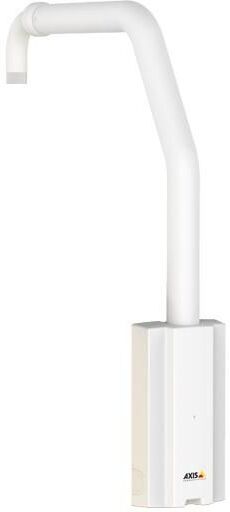
Axis T94J01A Wall Mount WhiteThe AXIS T94J01A Wall Mount in white is an impact-resistant aluminium wall bracket for Axis positioning (PT/PTZ) cameras, suitable for indoor and outdoor installation. Compatible cameras include the AXIS Q8641-E and AXIS Q8642-E PT thermal network cameras. Axis part number 5901-331.294,49 £*Shipping: 0,00 £Secure redirect to the provider



-
What is a wind turbine 2?
A wind turbine is a device that converts the kinetic energy of the wind into mechanical power, which can then be used to generate electricity. Wind turbines consist of blades that rotate when the wind blows, a shaft that connects the blades to a generator, and a tower that supports the entire structure. The generator then converts the mechanical power into electrical power, which can be fed into the electrical grid or used to power homes and businesses. Wind turbines are a sustainable and renewable source of energy that helps reduce reliance on fossil fuels and decrease greenhouse gas emissions. **
-
What do wind turbine technicians earn?
Wind turbine technicians earn a median annual wage of around $56,230, according to the U.S. Bureau of Labor Statistics. However, this can vary depending on factors such as experience, location, and the specific employer. Technicians may also receive additional compensation for working in remote or challenging environments, as well as overtime pay for working long or irregular hours. Overall, the salary for wind turbine technicians is competitive and can provide a stable income for those in the field. **
-
How does a wind turbine work?
A wind turbine works by capturing the kinetic energy of the wind and converting it into mechanical energy. When the wind blows, it causes the turbine's blades to rotate. This rotation then drives a generator, which converts the mechanical energy into electrical energy. The electricity produced can then be used to power homes, businesses, or be stored in batteries for later use. Wind turbines are a clean and renewable source of energy, making them an important part of the transition to a more sustainable energy system. **
-
How heavy is a wind turbine blade?
The weight of a wind turbine blade can vary depending on the size and design of the turbine. On average, a typical wind turbine blade can weigh between 5,000 to 20,000 pounds (2,268 to 9,072 kilograms). Larger blades used in offshore wind farms can weigh even more, sometimes exceeding 30,000 pounds (13,608 kilograms). The weight of the blade is an important factor in the design and construction of wind turbines to ensure stability and efficiency. **

Where is a wind turbine worth installing?
A wind turbine is worth installing in locations that have consistent and strong wind speeds. Areas such as coastal regions, hilltops, and open plains are ideal for wind turbine installations. Additionally, regions with high electricity costs or a strong commitment to renewable energy are also good candidates for wind turbine installations. It is important to conduct a thorough wind assessment to determine the feasibility and potential output of a wind turbine in a specific location. **
How much do wind turbine technicians earn?
Wind turbine technicians earn a median annual wage of around $56,230, according to the U.S. Bureau of Labor Statistics. However, salaries can vary depending on factors such as experience, location, and the specific employer. Entry-level technicians may earn closer to $40,000, while those with more experience or specialized skills can earn upwards of $80,000 or more. **
Top-Angebote
Products related to Vertical-Axis-Wind-Turbine:
-
Axis T94J01A Wall Mount GreyThe AXIS T94J01A Wall Mount in grey is an impact-resistant aluminium wall bracket for Axis PTZ cameras, suitable for indoor and outdoor installation. It suits the AXIS Q62 series, including the AXIS Q6215-LE, and accepts AXIS 3/4" (M25) conduit for cable routing.334,49 £*Shipping: 0,00 £Secure redirect to the provider
-
What is a wind turbine?
A wind turbine is a device that converts the kinetic energy of the wind into mechanical energy, which is then used to generate electricity. It consists of large blades attached to a rotor, which spins when the wind blows. The spinning rotor is connected to a generator that produces electricity. Wind turbines are typically grouped together in wind farms to generate large amounts of renewable energy. **
-
What are vertical wind speeds?
Vertical wind speeds refer to the rate at which air is moving vertically in the atmosphere. Positive vertical wind speeds indicate air moving upward, while negative vertical wind speeds indicate air moving downward. These vertical movements play a crucial role in the formation of weather patterns and can impact cloud formation, precipitation, and overall atmospheric stability. Monitoring vertical wind speeds is important for understanding and predicting weather conditions. **
-
What is a wind turbine 2?
A wind turbine is a device that converts the kinetic energy of the wind into mechanical power, which can then be used to generate electricity. Wind turbines consist of blades that rotate when the wind blows, a shaft that connects the blades to a generator, and a tower that supports the entire structure. The generator then converts the mechanical power into electrical power, which can be fed into the electrical grid or used to power homes and businesses. Wind turbines are a sustainable and renewable source of energy that helps reduce reliance on fossil fuels and decrease greenhouse gas emissions. **
-
What do wind turbine technicians earn?
Wind turbine technicians earn a median annual wage of around $56,230, according to the U.S. Bureau of Labor Statistics. However, this can vary depending on factors such as experience, location, and the specific employer. Technicians may also receive additional compensation for working in remote or challenging environments, as well as overtime pay for working long or irregular hours. Overall, the salary for wind turbine technicians is competitive and can provide a stable income for those in the field. **
Similar search terms for Vertical-Axis-Wind-Turbine
-
Axis T94J01A Wall Mount WhiteThe AXIS T94J01A Wall Mount in white is an impact-resistant aluminium wall bracket for Axis positioning (PT/PTZ) cameras, suitable for indoor and outdoor installation. Compatible cameras include the AXIS Q8641-E and AXIS Q8642-E PT thermal network cameras. Axis part number 5901-331.294,49 £*Shipping: 0,00 £Secure redirect to the provider
-
Axis TU8001 Ethernet Surge ProtectorAXIS TU8001 Ethernet surge protector for indoor use. Protects PoE network devices such as IP cameras against surges of up to 10 kV. Supports 10/100/1000 Mbit/s Ethernet and IEEE 802.3bt PoE, and mounts on a DIN rail. Black.101,99 £*Shipping: 0,00 £Secure redirect to the provider
-
How does a wind turbine work?
A wind turbine works by capturing the kinetic energy of the wind and converting it into mechanical energy. When the wind blows, it causes the turbine's blades to rotate. This rotation then drives a generator, which converts the mechanical energy into electrical energy. The electricity produced can then be used to power homes, businesses, or be stored in batteries for later use. Wind turbines are a clean and renewable source of energy, making them an important part of the transition to a more sustainable energy system. **
-
How heavy is a wind turbine blade?
The weight of a wind turbine blade can vary depending on the size and design of the turbine. On average, a typical wind turbine blade can weigh between 5,000 to 20,000 pounds (2,268 to 9,072 kilograms). Larger blades used in offshore wind farms can weigh even more, sometimes exceeding 30,000 pounds (13,608 kilograms). The weight of the blade is an important factor in the design and construction of wind turbines to ensure stability and efficiency. **
-
Where is a wind turbine worth installing?
A wind turbine is worth installing in locations that have consistent and strong wind speeds. Areas such as coastal regions, hilltops, and open plains are ideal for wind turbine installations. Additionally, regions with high electricity costs or a strong commitment to renewable energy are also good candidates for wind turbine installations. It is important to conduct a thorough wind assessment to determine the feasibility and potential output of a wind turbine in a specific location. **
-
How much do wind turbine technicians earn?
Wind turbine technicians earn a median annual wage of around $56,230, according to the U.S. Bureau of Labor Statistics. However, salaries can vary depending on factors such as experience, location, and the specific employer. Entry-level technicians may earn closer to $40,000, while those with more experience or specialized skills can earn upwards of $80,000 or more. **
* All prices are inclusive of VAT and, if applicable, plus shipping costs. The offer information is based on the details provided by the respective shop and is updated through automated processes. Real-time updates do not occur, so deviations can occur in individual cases. ** Note: Parts of this content were created by AI.