Buy geekshop.eu ?
We are moving the project
geekshop.eu .
Are you interested in purchasing the domain
geekshop.eu ?
domain@kv-gmbh.de · 0541-91531010
Buy geekshop.eu ?
How does the measurement technology of a temperature sensor with NTC work?
A temperature sensor with NTC (Negative Temperature Coefficient) works by utilizing a thermistor made of a semiconductor material that exhibits a decrease in resistance as temperature increases. The NTC thermistor is connected to a circuit that measures the resistance of the thermistor, which changes with temperature. By measuring the resistance, the circuit can calculate the temperature based on the known characteristics of the NTC thermistor. This allows the sensor to provide an accurate temperature reading based on the electrical resistance of the NTC thermistor. **
Which method is more sensible for a direct current temperature sensor NTC?
For a direct current temperature sensor NTC, it is more sensible to use the voltage divider method. This method involves connecting the NTC thermistor in series with a fixed resistor, and measuring the voltage across the NTC thermistor. As the temperature changes, the resistance of the NTC thermistor changes, causing the voltage across it to change as well. This change in voltage can then be used to calculate the temperature. The voltage divider method is simple, cost-effective, and provides accurate temperature measurements, making it a sensible choice for a direct current temperature sensor NTC. **

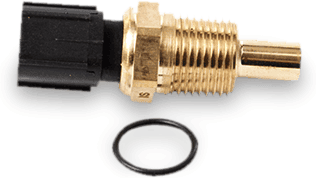
Similar search terms for NTC-Temperature-Sensor-Gas
Top-Angebote
Products related to NTC-Temperature-Sensor-Gas:
-
EPS 1.830.047 Sensor, coolant temperatureThread Size: 5/8-18UNF; Spanner Size: 19; Supplementary Info: Made in Italy - OE Equivalent; TecDoc Engine Number: 1718, 1724, 1725, 1730, 1732, 1736, 1737, 18385, 18386, 18387, 18388, 18389, 18391, 22929, 22930, 22932, 22934, 22936, 22937, 22938, 22939, 22940, 22941, 22942, 24550, 24551, 24557, 24558, 24559, 24560, 26648, 26947, 42214, 42326, 42375, 42539, 42745, 42751, 42823, 42901, 43052, 43053, 43054, 43190, 43337, 43451, 4579, 4580, 4581, 4582, 4583, 4584, 4585, 4587, 49172, 49173, 49174, 5196, 5199, 5202, 5203, 5206, 5216, 5219, 5220, 5222, 5224, 816, 817; Construction Year from: 10/1967, 10/1975; Construction Year to: 12/1991; Vehicle Identification Number (VIN) to: SA163099,SA501919; Transmission Type: Manual Transmission; Vehicle Equipment: for vehicles with air conditioning6,59 £*Shipping: 8,45 £Secure redirect to the provider
-
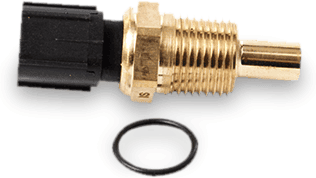
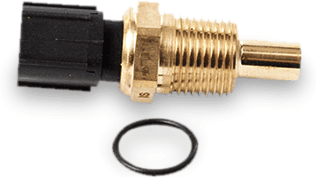
goCORE GCH300028 Sensor, coolant temperatureNumber of pins: 2; Connector Shape: rectangular; Socket colour: black; Colour Coding: red; Switch Point [°C]: 60; Housing Diameter [mm]: 20; Vehicle Identification Number (VIN) from: ..-K-000001; Construction Year from: 08/19925,59 £*Shipping: 8,45 £Secure redirect to the provider
-
goCORE GCH300048 Sensor, coolant temperatureThread Size: M12x1,5; Spanner Size: 19; TecDoc Engine Number: 16984, 15208, 21740, 24506, 19909, 18732, 19345, 24540, 23842, 21731, 14788, 13088, 18481, 23835, 16378, 17287, 24804, 25015, 25016, 23836, 23841, 14870, 19295, 22621, 26206, 23771, 19296, 16332, 19907, 20923, 18338, 22886, 15108, 15589, 20083, 20287, 16469, 25073, 34180, 32881, 34075, 18337, 18734, 18483, 18485, 19816, 23441, 23840, 20925, 19815, 25602, 19298, 9907, 24802, 26119, 21730, 21733, 25807, 23837, 23977, 28018, 24601, 27729, 27730, 20611, 27852, 28539, 28541, 41180, 28542, 29310, 30253, 29612, 29613, 20771, 31222, 35793, 35874, 35875, 31224, 35881, 35882, 35883, 35884, 35885, 35887, 31697, 29865, 31225, 31226, 31259, 31227, 31278, 35794, 30812, 36838, 30814, 36841, 30815, 36843, 31418, 30819, 36839, 32384, 30816, 30942, 30943, 36840, 31322, 31026, 31030, 31055, 31257, 35790, 35792, 36621, 31345, 31346, 34174, 34175, 25707, 33007, 33286, 33472, 33832, 15499, 34135, 31664, 35217, 32491, 36899, 35754, 35757, 36413, 34975, 34976, 35214, 35215, 35216, 35230, 35377, 40549, 35728, 35618, 36078, 36077, 36987, 38392, 36834, 37527, 37529, 37581, 37543, 37903, 37664, 37666, 37667, 39568, 40602, 39832, 40509, 41928, 44074, 44248, 44734, 45751, 37588, 45824, 45793, 47656; Required quantity: 2; for model code: KDH201; Construction Year from: 05/2003, 11/2003, 09/2002, 08/2004, 09/2004; Construction Year to: 09/2015, 02/2012; Vehicle Production Country: Europe, Japan; Colour: white; Engine Code: B4204T11/B4204T41, B4204T35, D4204T16/D4204T9, B4204T31/B4204T44, B4204T34, B4204T34/B4204T53, 1ZRFAE/1ZRFE, B4204T48, B4204T20/B4204T36, B4204T46, B4204T56, B4204T52; suited for engine type: Petrol Engine7,59 £*Shipping: 8,45 £Secure redirect to the provider


-
How does the electronic temperature control with NTC sensor in my refrigerator work?
The electronic temperature control with NTC sensor in your refrigerator works by using a thermistor, or NTC (Negative Temperature Coefficient) sensor, to measure the temperature inside the refrigerator. The thermistor changes its resistance based on the temperature, and this change in resistance is used to determine the temperature. The electronic control unit then uses this information to regulate the operation of the refrigerator's cooling system, ensuring that the temperature stays at the desired level. If the temperature rises above the set level, the control unit will activate the cooling system to lower the temperature, and vice versa. This system allows for precise and consistent temperature control within the refrigerator. **
-
How does the electronic temperature control with NTC sensor work in my refrigerator?
The electronic temperature control with NTC sensor in your refrigerator works by using a thermistor (NTC sensor) to measure the temperature inside the fridge. The thermistor changes its resistance based on the temperature, which is then converted into an electrical signal that is sent to the electronic control board. The control board then adjusts the compressor and cooling system to maintain the desired temperature set by the user. This system allows for precise temperature control and energy efficiency in your refrigerator. **
-
Why do gas meters need to have a temperature sensor?
Gas meters need to have a temperature sensor because the volume of gas can change with temperature. Gas expands when heated and contracts when cooled, affecting the accuracy of the gas meter readings. By incorporating a temperature sensor, the gas meter can adjust for these temperature variations to provide more precise measurements of the amount of gas consumed. This helps ensure that customers are billed accurately for the gas they use. **
-
Which temperature sensor displays the engine temperature?
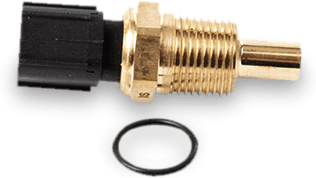
The engine temperature is typically displayed by a coolant temperature sensor. This sensor is usually located near the engine's cooling system and measures the temperature of the coolant as it circulates through the engine. The information collected by the coolant temperature sensor is then sent to the engine control unit, which uses it to regulate the engine's operating temperature and make adjustments as needed. **

How can one adjust the temperature sensor?
To adjust the temperature sensor, you can typically do so through the settings on the device or system where the sensor is installed. This may involve accessing the control panel or menu options to locate the temperature sensor settings. From there, you can usually calibrate or adjust the sensor by following the instructions provided in the user manual. It's important to follow the manufacturer's guidelines to ensure accurate temperature readings and proper functioning of the sensor. **
How can you adjust the temperature sensor?
To adjust the temperature sensor, you can typically do so through the settings on the device it is connected to. This may involve accessing the menu or settings options and locating the temperature sensor calibration or adjustment feature. Follow the instructions provided in the device's manual to make the necessary adjustments to ensure accurate temperature readings. It is important to calibrate the sensor properly to maintain the accuracy of the temperature measurements. **
Top-Angebote
Products related to NTC-Temperature-Sensor-Gas:
-
EPS 1.830.047 Sensor, coolant temperatureThread Size: 5/8-18UNF; Spanner Size: 19; Supplementary Info: Made in Italy - OE Equivalent; TecDoc Engine Number: 1718, 1724, 1725, 1730, 1732, 1736, 1737, 18385, 18386, 18387, 18388, 18389, 18391, 22929, 22930, 22932, 22934, 22936, 22937, 22938, 22939, 22940, 22941, 22942, 24550, 24551, 24557, 24558, 24559, 24560, 26648, 26947, 42214, 42326, 42375, 42539, 42745, 42751, 42823, 42901, 43052, 43053, 43054, 43190, 43337, 43451, 4579, 4580, 4581, 4582, 4583, 4584, 4585, 4587, 49172, 49173, 49174, 5196, 5199, 5202, 5203, 5206, 5216, 5219, 5220, 5222, 5224, 816, 817; Construction Year from: 10/1967, 10/1975; Construction Year to: 12/1991; Vehicle Identification Number (VIN) to: SA163099,SA501919; Transmission Type: Manual Transmission; Vehicle Equipment: for vehicles with air conditioning6,59 £*Shipping: 8,45 £Secure redirect to the provider
-
goCORE GCH300028 Sensor, coolant temperatureNumber of pins: 2; Connector Shape: rectangular; Socket colour: black; Colour Coding: red; Switch Point [°C]: 60; Housing Diameter [mm]: 20; Vehicle Identification Number (VIN) from: ..-K-000001; Construction Year from: 08/19925,59 £*Shipping: 8,45 £Secure redirect to the provider
-
How does the measurement technology of a temperature sensor with NTC work?
A temperature sensor with NTC (Negative Temperature Coefficient) works by utilizing a thermistor made of a semiconductor material that exhibits a decrease in resistance as temperature increases. The NTC thermistor is connected to a circuit that measures the resistance of the thermistor, which changes with temperature. By measuring the resistance, the circuit can calculate the temperature based on the known characteristics of the NTC thermistor. This allows the sensor to provide an accurate temperature reading based on the electrical resistance of the NTC thermistor. **
-
Which method is more sensible for a direct current temperature sensor NTC?
For a direct current temperature sensor NTC, it is more sensible to use the voltage divider method. This method involves connecting the NTC thermistor in series with a fixed resistor, and measuring the voltage across the NTC thermistor. As the temperature changes, the resistance of the NTC thermistor changes, causing the voltage across it to change as well. This change in voltage can then be used to calculate the temperature. The voltage divider method is simple, cost-effective, and provides accurate temperature measurements, making it a sensible choice for a direct current temperature sensor NTC. **
-
How does the electronic temperature control with NTC sensor in my refrigerator work?
The electronic temperature control with NTC sensor in your refrigerator works by using a thermistor, or NTC (Negative Temperature Coefficient) sensor, to measure the temperature inside the refrigerator. The thermistor changes its resistance based on the temperature, and this change in resistance is used to determine the temperature. The electronic control unit then uses this information to regulate the operation of the refrigerator's cooling system, ensuring that the temperature stays at the desired level. If the temperature rises above the set level, the control unit will activate the cooling system to lower the temperature, and vice versa. This system allows for precise and consistent temperature control within the refrigerator. **
-
How does the electronic temperature control with NTC sensor work in my refrigerator?
The electronic temperature control with NTC sensor in your refrigerator works by using a thermistor (NTC sensor) to measure the temperature inside the fridge. The thermistor changes its resistance based on the temperature, which is then converted into an electrical signal that is sent to the electronic control board. The control board then adjusts the compressor and cooling system to maintain the desired temperature set by the user. This system allows for precise temperature control and energy efficiency in your refrigerator. **
Similar search terms for NTC-Temperature-Sensor-Gas
-
goCORE GCH300048 Sensor, coolant temperatureThread Size: M12x1,5; Spanner Size: 19; TecDoc Engine Number: 16984, 15208, 21740, 24506, 19909, 18732, 19345, 24540, 23842, 21731, 14788, 13088, 18481, 23835, 16378, 17287, 24804, 25015, 25016, 23836, 23841, 14870, 19295, 22621, 26206, 23771, 19296, 16332, 19907, 20923, 18338, 22886, 15108, 15589, 20083, 20287, 16469, 25073, 34180, 32881, 34075, 18337, 18734, 18483, 18485, 19816, 23441, 23840, 20925, 19815, 25602, 19298, 9907, 24802, 26119, 21730, 21733, 25807, 23837, 23977, 28018, 24601, 27729, 27730, 20611, 27852, 28539, 28541, 41180, 28542, 29310, 30253, 29612, 29613, 20771, 31222, 35793, 35874, 35875, 31224, 35881, 35882, 35883, 35884, 35885, 35887, 31697, 29865, 31225, 31226, 31259, 31227, 31278, 35794, 30812, 36838, 30814, 36841, 30815, 36843, 31418, 30819, 36839, 32384, 30816, 30942, 30943, 36840, 31322, 31026, 31030, 31055, 31257, 35790, 35792, 36621, 31345, 31346, 34174, 34175, 25707, 33007, 33286, 33472, 33832, 15499, 34135, 31664, 35217, 32491, 36899, 35754, 35757, 36413, 34975, 34976, 35214, 35215, 35216, 35230, 35377, 40549, 35728, 35618, 36078, 36077, 36987, 38392, 36834, 37527, 37529, 37581, 37543, 37903, 37664, 37666, 37667, 39568, 40602, 39832, 40509, 41928, 44074, 44248, 44734, 45751, 37588, 45824, 45793, 47656; Required quantity: 2; for model code: KDH201; Construction Year from: 05/2003, 11/2003, 09/2002, 08/2004, 09/2004; Construction Year to: 09/2015, 02/2012; Vehicle Production Country: Europe, Japan; Colour: white; Engine Code: B4204T11/B4204T41, B4204T35, D4204T16/D4204T9, B4204T31/B4204T44, B4204T34, B4204T34/B4204T53, 1ZRFAE/1ZRFE, B4204T48, B4204T20/B4204T36, B4204T46, B4204T56, B4204T52; suited for engine type: Petrol Engine7,59 £*Shipping: 8,45 £Secure redirect to the provider
-
Why do gas meters need to have a temperature sensor?
Gas meters need to have a temperature sensor because the volume of gas can change with temperature. Gas expands when heated and contracts when cooled, affecting the accuracy of the gas meter readings. By incorporating a temperature sensor, the gas meter can adjust for these temperature variations to provide more precise measurements of the amount of gas consumed. This helps ensure that customers are billed accurately for the gas they use. **
-
Which temperature sensor displays the engine temperature?
The engine temperature is typically displayed by a coolant temperature sensor. This sensor is usually located near the engine's cooling system and measures the temperature of the coolant as it circulates through the engine. The information collected by the coolant temperature sensor is then sent to the engine control unit, which uses it to regulate the engine's operating temperature and make adjustments as needed. **
-
How can one adjust the temperature sensor?
To adjust the temperature sensor, you can typically do so through the settings on the device or system where the sensor is installed. This may involve accessing the control panel or menu options to locate the temperature sensor settings. From there, you can usually calibrate or adjust the sensor by following the instructions provided in the user manual. It's important to follow the manufacturer's guidelines to ensure accurate temperature readings and proper functioning of the sensor. **
-
How can you adjust the temperature sensor?
To adjust the temperature sensor, you can typically do so through the settings on the device it is connected to. This may involve accessing the menu or settings options and locating the temperature sensor calibration or adjustment feature. Follow the instructions provided in the device's manual to make the necessary adjustments to ensure accurate temperature readings. It is important to calibrate the sensor properly to maintain the accuracy of the temperature measurements. **
* All prices are inclusive of VAT and, if applicable, plus shipping costs. The offer information is based on the details provided by the respective shop and is updated through automated processes. Real-time updates do not occur, so deviations can occur in individual cases. ** Note: Parts of this content were created by AI.