Buy geekshop.eu ?
We are moving the project
geekshop.eu .
Are you interested in purchasing the domain
geekshop.eu ?
domain@kv-gmbh.de · 0541-91531010
Buy geekshop.eu ?
Where can I buy cardboard with the dimensions 1m x 1m?
You can buy cardboard with the dimensions 1m x 1m at various places such as office supply stores, craft stores, packaging supply stores, and online retailers. Look for specialty stores that sell large sheets of cardboard or contact local packaging companies to inquire about purchasing cardboard sheets in the specific size you need. Additionally, you can check with local hardware stores or home improvement centers as they may carry large sheets of cardboard for various purposes. **
Can the direct current cross-section be distributed across multiple cables?
Yes, direct current can be distributed across multiple cables. By connecting multiple cables in parallel, the total current can be divided among the cables, allowing for the distribution of the direct current across them. This method is commonly used in electrical systems to ensure that the current is evenly distributed and to prevent overloading of individual cables. **

Similar search terms for Cables-Direct-1m-Swivel
Top-Angebote
Products related to Cables-Direct-1m-Swivel:
-
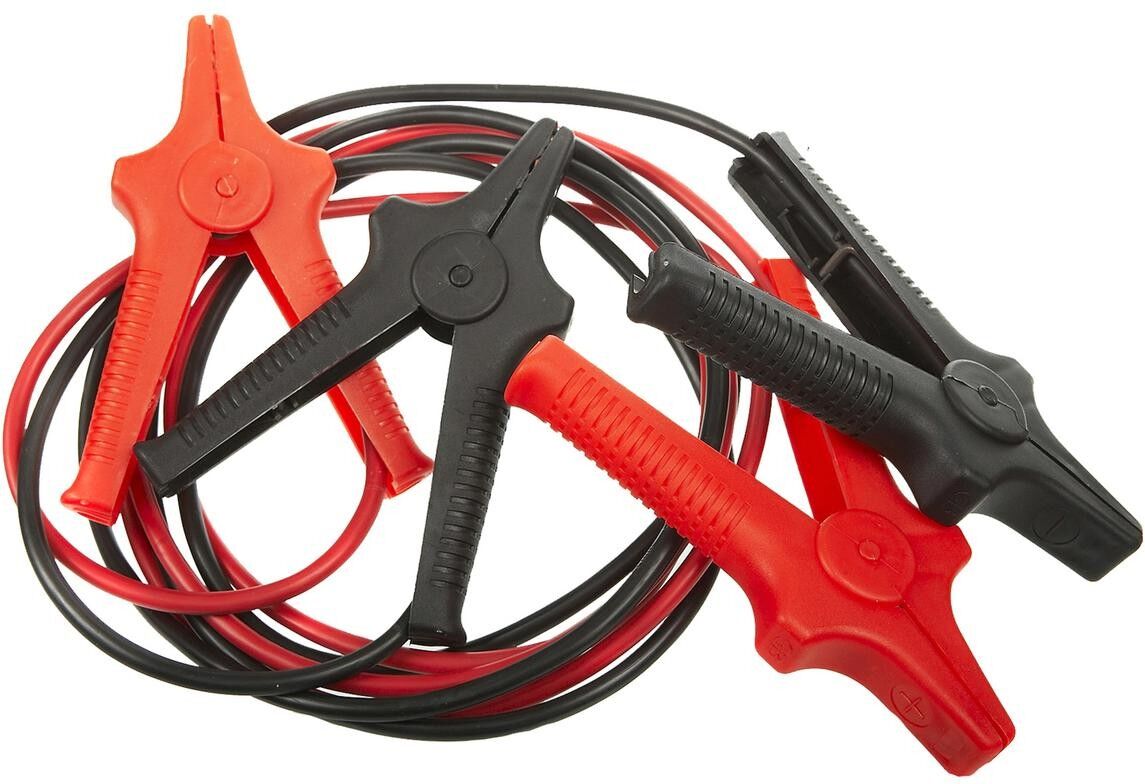
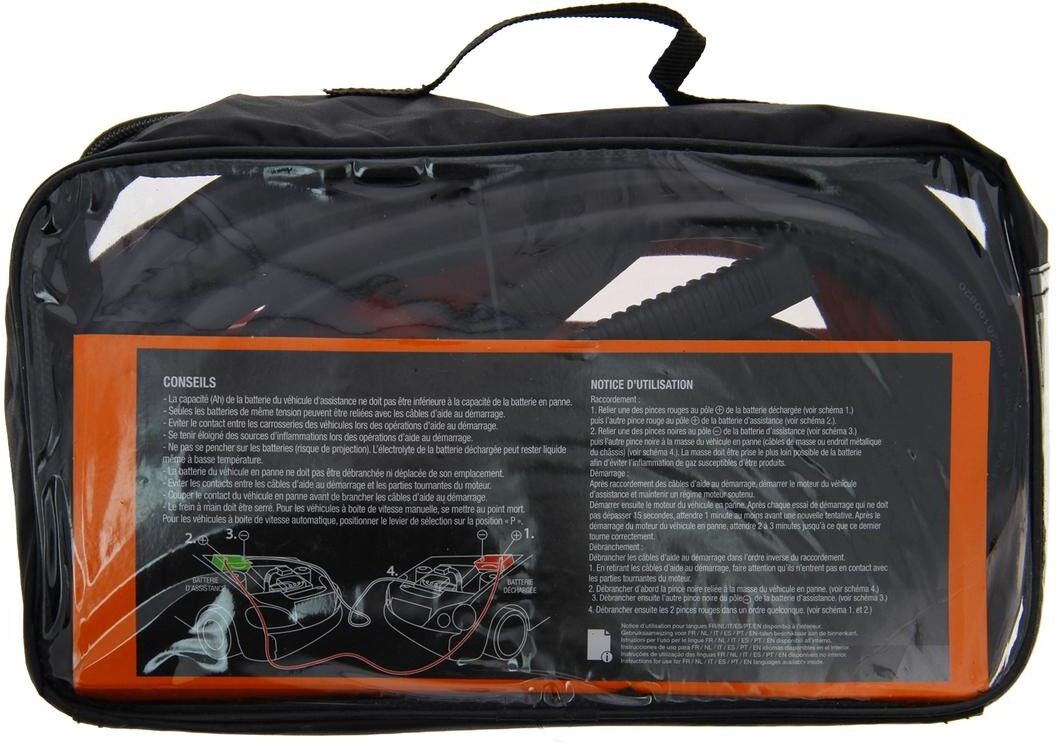
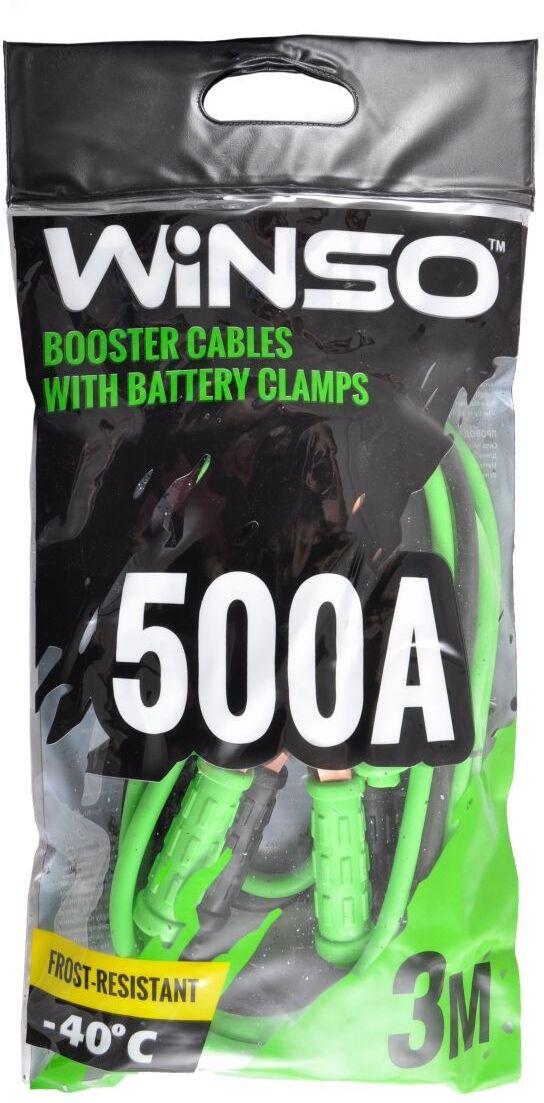
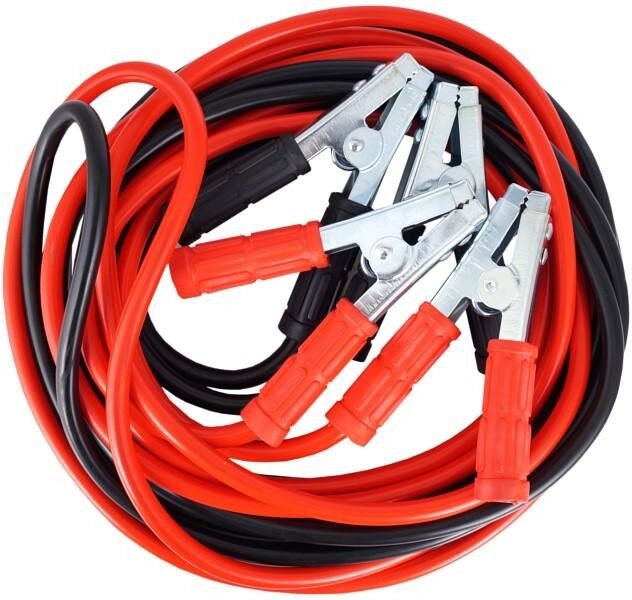
XL 551031 Jumper cablesLength [m]: 3; Material: Copper; for petrol engines to capacity [ccm]: 2500; Insulated: ; Supplementary Article / Supplementary Info Info 2: with storage bag, with overvoltage protection; Vehicle type: Passenger cars; Cable Cross Section [mm²]: 16; suited for engine type: Petrol Engine46,99 £*Shipping: 8,45 £Secure redirect to the provider
-
XL 551032 Jumper cablesLength [m]: 3.5; Material: Copper; for petrol engines to capacity [ccm]: 5500; for diesel engines to capacity [ccm]: 3000; Insulated: ; Supplementary Article / Supplementary Info Info 2: with storage bag, with overvoltage protection; Vehicle type: Passenger cars; Cable Cross Section [mm²]: 25; suited for engine type: Diesel, Petrol Engine69,99 £*Shipping: 8,45 £Secure redirect to the provider
-
XL 551045 Jumper cablesQuantity: 2; Supplementary Article / Supplementary Info Info 2: with storage bag, with overvoltage protection; Material: Copper; Length [m]: 4.5; Cable Cross Section [mm²]: 35; suited for engine type: Diesel, Petrol Engine75,49 £*Shipping: 8,45 £Secure redirect to the provider

-
How do I determine the polarity of cables in direct current?
To determine the polarity of cables in direct current, you can use a multimeter set to the DC voltage setting. Connect the red probe to the positive terminal of the cable and the black probe to the negative terminal. If the multimeter shows a positive reading, then the red probe is connected to the positive terminal. If the reading is negative, then the red probe is connected to the negative terminal. This method helps you identify the polarity of the cables accurately. **
-
What is direct current technology?
Direct current (DC) technology is a type of electrical power transmission and distribution system in which the flow of electric charge is uni-directional. This means that the electric current flows in one direction, from the positive terminal to the negative terminal. DC technology is commonly used in small electronic devices, such as cell phones and laptops, as well as in some renewable energy systems, like solar panels and batteries. It is also used in some specialized industrial applications where a constant and stable power supply is required. **
-
Are all micro-USB cables identical as charging cables for smartphones?
No, not all micro-USB cables are identical as charging cables for smartphones. While they may look similar, the quality and specifications of the cables can vary. Some cables may be designed for faster charging, while others may not be able to handle the power requirements of certain smartphones. It's important to use a high-quality, certified micro-USB cable that is compatible with your specific smartphone to ensure safe and efficient charging. **
-
Do you need thicker cables for direct current than for alternating current?
No, you do not necessarily need thicker cables for direct current (DC) than for alternating current (AC). The current-carrying capacity of a cable is determined by factors such as the material, size, and insulation of the cable, as well as the voltage and current being carried. Both DC and AC have their own unique considerations when it comes to cable sizing, but the need for thicker cables is not inherently tied to the type of current being carried. It ultimately depends on the specific requirements of the electrical system and the application. **

How does the stress on cables differ between direct current and alternating current?
In direct current (DC) systems, the stress on cables is relatively constant because the current flows in one direction continuously. This results in a steady and predictable stress level on the cables. On the other hand, in alternating current (AC) systems, the stress on cables fluctuates as the current changes direction periodically. This can lead to higher stress levels on the cables, especially during peak currents, which may require cables to be designed to withstand these fluctuations. **
Why does the voltage tester light up on both cables in direct current?
The voltage tester lights up on both cables in direct current because in a direct current circuit, the flow of electric charge is unidirectional. This means that the current flows from the positive terminal to the negative terminal of the power source. When the voltage tester is connected to the cables, it detects the presence of electric potential difference between the two points, causing the light to illuminate on both cables. This indicates that there is a voltage present in the circuit, regardless of the direction of the current flow. **
Top-Angebote
Products related to Cables-Direct-1m-Swivel:
-
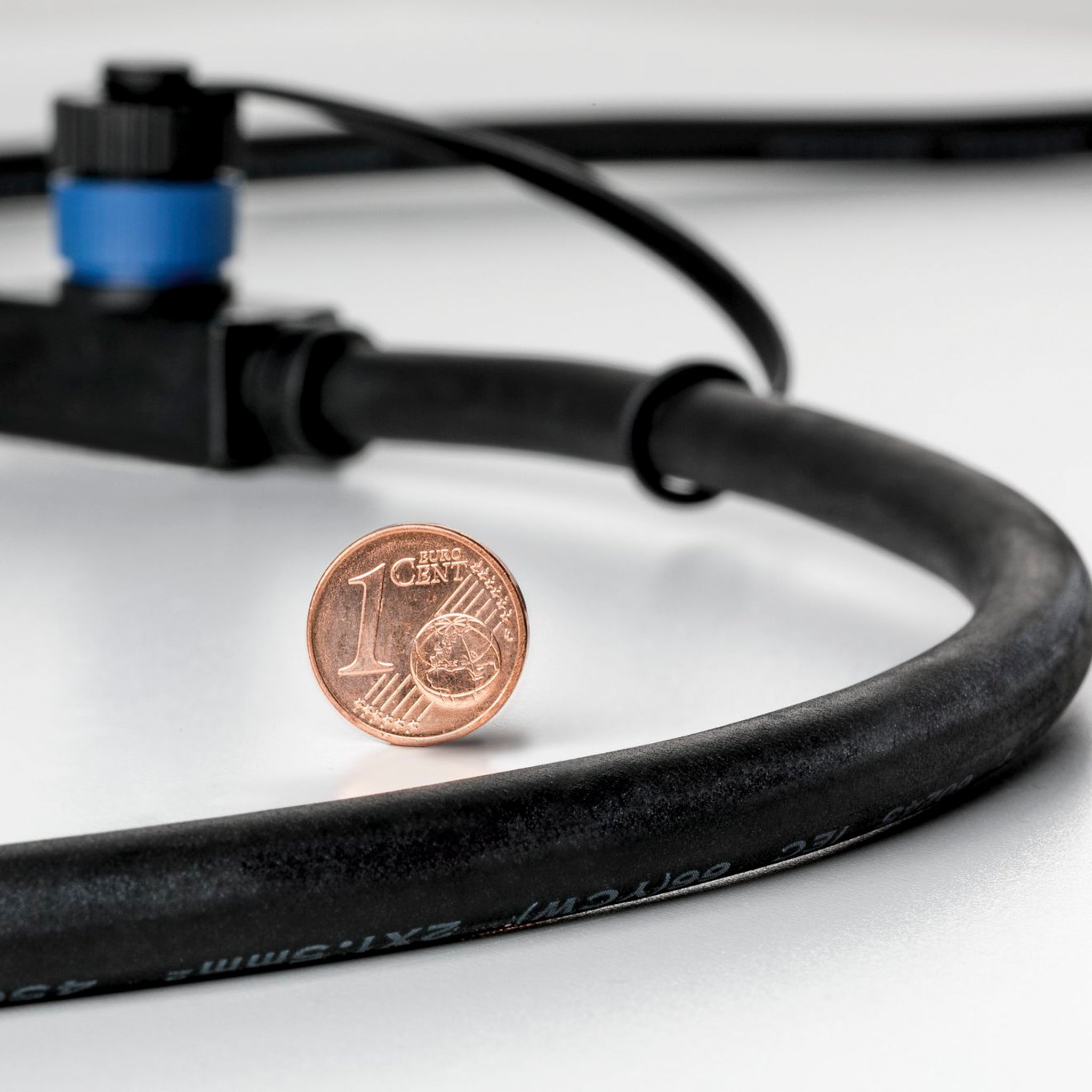
Paulmann - Plug & Shine Outdoor 1m Cables with 3 Outputs in BlackThe Plug & Shine connecting cable bridges distances of up to one metre and enables the connection of three extra luminaires or additional accessories. Unused connection ports can be sealed with the cover caps provided to guarantee the IP68 immersion protection. Combined with luminaires and transformers in the Plug & Shine series, they illuminate your outdoor spaces according to your personal preferences: from house walls or patios, through to garden paths and plants.25,00 £*Shipping: 4,99 £Secure redirect to the provider
-
XL 551030 Jumper cablesLength [m]: 2.5; Material: Copper; for petrol engines to capacity [ccm]: 1500; Insulated: ; Supplementary Article / Supplementary Info Info 2: with storage bag, with overvoltage protection; Vehicle type: Passenger cars; Cable Cross Section [mm²]: 10; suited for engine type: Petrol Engine33,49 £*Shipping: 8,45 £Secure redirect to the provider
-
XL 551031 Jumper cablesLength [m]: 3; Material: Copper; for petrol engines to capacity [ccm]: 2500; Insulated: ; Supplementary Article / Supplementary Info Info 2: with storage bag, with overvoltage protection; Vehicle type: Passenger cars; Cable Cross Section [mm²]: 16; suited for engine type: Petrol Engine46,99 £*Shipping: 8,45 £Secure redirect to the provider
-
XL 551032 Jumper cablesLength [m]: 3.5; Material: Copper; for petrol engines to capacity [ccm]: 5500; for diesel engines to capacity [ccm]: 3000; Insulated: ; Supplementary Article / Supplementary Info Info 2: with storage bag, with overvoltage protection; Vehicle type: Passenger cars; Cable Cross Section [mm²]: 25; suited for engine type: Diesel, Petrol Engine69,99 £*Shipping: 8,45 £Secure redirect to the provider
-
Where can I buy cardboard with the dimensions 1m x 1m?
You can buy cardboard with the dimensions 1m x 1m at various places such as office supply stores, craft stores, packaging supply stores, and online retailers. Look for specialty stores that sell large sheets of cardboard or contact local packaging companies to inquire about purchasing cardboard sheets in the specific size you need. Additionally, you can check with local hardware stores or home improvement centers as they may carry large sheets of cardboard for various purposes. **
-
Can the direct current cross-section be distributed across multiple cables?
Yes, direct current can be distributed across multiple cables. By connecting multiple cables in parallel, the total current can be divided among the cables, allowing for the distribution of the direct current across them. This method is commonly used in electrical systems to ensure that the current is evenly distributed and to prevent overloading of individual cables. **
-
How do I determine the polarity of cables in direct current?
To determine the polarity of cables in direct current, you can use a multimeter set to the DC voltage setting. Connect the red probe to the positive terminal of the cable and the black probe to the negative terminal. If the multimeter shows a positive reading, then the red probe is connected to the positive terminal. If the reading is negative, then the red probe is connected to the negative terminal. This method helps you identify the polarity of the cables accurately. **
-
What is direct current technology?
Direct current (DC) technology is a type of electrical power transmission and distribution system in which the flow of electric charge is uni-directional. This means that the electric current flows in one direction, from the positive terminal to the negative terminal. DC technology is commonly used in small electronic devices, such as cell phones and laptops, as well as in some renewable energy systems, like solar panels and batteries. It is also used in some specialized industrial applications where a constant and stable power supply is required. **
Similar search terms for Cables-Direct-1m-Swivel
-
XL 551045 Jumper cablesQuantity: 2; Supplementary Article / Supplementary Info Info 2: with storage bag, with overvoltage protection; Material: Copper; Length [m]: 4.5; Cable Cross Section [mm²]: 35; suited for engine type: Diesel, Petrol Engine75,49 £*Shipping: 8,45 £Secure redirect to the provider
-
CARMOTION 58457 Jumper cablesVehicle type: Car; Voltage [V]: 8; Cable Length [m]: 6; Material: TPE (thermoplastic elastomer); Cable Cross Section [mm²]: 25; Current Strength to [A]: 800; suited for engine type: Petrol Injection; DIN/ISO: ISO22,99 £*Shipping: 8,45 £Secure redirect to the provider
-
GYS 056404 Jumper cablesCurrent Strength to [A]: 700; Vehicle type: Passenger cars; Material: Copper; Length [m]: 4.5; Cable Cross Section [mm²]: 35; suited for engine type: Diesel, Petrol Engine; Supplementary Article / Supplementary Info Info 2: with overvoltage protection106,99 £*Shipping: 8,45 £Secure redirect to the provider
-
Are all micro-USB cables identical as charging cables for smartphones?
No, not all micro-USB cables are identical as charging cables for smartphones. While they may look similar, the quality and specifications of the cables can vary. Some cables may be designed for faster charging, while others may not be able to handle the power requirements of certain smartphones. It's important to use a high-quality, certified micro-USB cable that is compatible with your specific smartphone to ensure safe and efficient charging. **
-
Do you need thicker cables for direct current than for alternating current?
No, you do not necessarily need thicker cables for direct current (DC) than for alternating current (AC). The current-carrying capacity of a cable is determined by factors such as the material, size, and insulation of the cable, as well as the voltage and current being carried. Both DC and AC have their own unique considerations when it comes to cable sizing, but the need for thicker cables is not inherently tied to the type of current being carried. It ultimately depends on the specific requirements of the electrical system and the application. **
-
How does the stress on cables differ between direct current and alternating current?
In direct current (DC) systems, the stress on cables is relatively constant because the current flows in one direction continuously. This results in a steady and predictable stress level on the cables. On the other hand, in alternating current (AC) systems, the stress on cables fluctuates as the current changes direction periodically. This can lead to higher stress levels on the cables, especially during peak currents, which may require cables to be designed to withstand these fluctuations. **
-
Why does the voltage tester light up on both cables in direct current?
The voltage tester lights up on both cables in direct current because in a direct current circuit, the flow of electric charge is unidirectional. This means that the current flows from the positive terminal to the negative terminal of the power source. When the voltage tester is connected to the cables, it detects the presence of electric potential difference between the two points, causing the light to illuminate on both cables. This indicates that there is a voltage present in the circuit, regardless of the direction of the current flow. **
* All prices are inclusive of VAT and, if applicable, plus shipping costs. The offer information is based on the details provided by the respective shop and is updated through automated processes. Real-time updates do not occur, so deviations can occur in individual cases. ** Note: Parts of this content were created by AI.